Day 9- A day trip to learn our history: Hiroshima
Day 9:
平和による繁栄
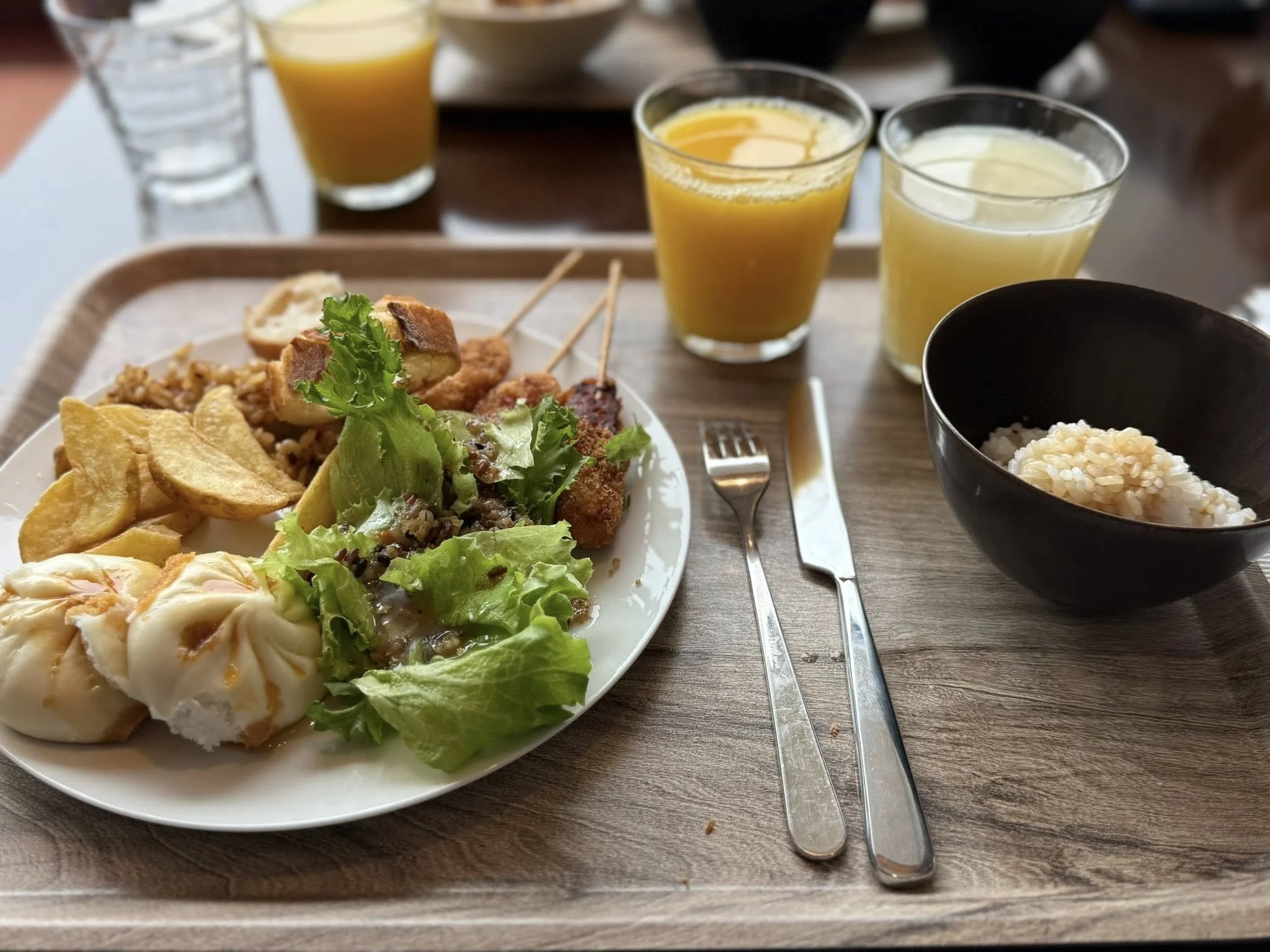
I know I’ve said it in a few posts, but you have to constantly look at the weather. We had originally planned to head to Hiroshima on Sunday, but the forecast now showed 100% chance of rain the whole day. Luckily, we didn’t have reservations for anything, so we changed it up and went south for the day to Hiroshima.
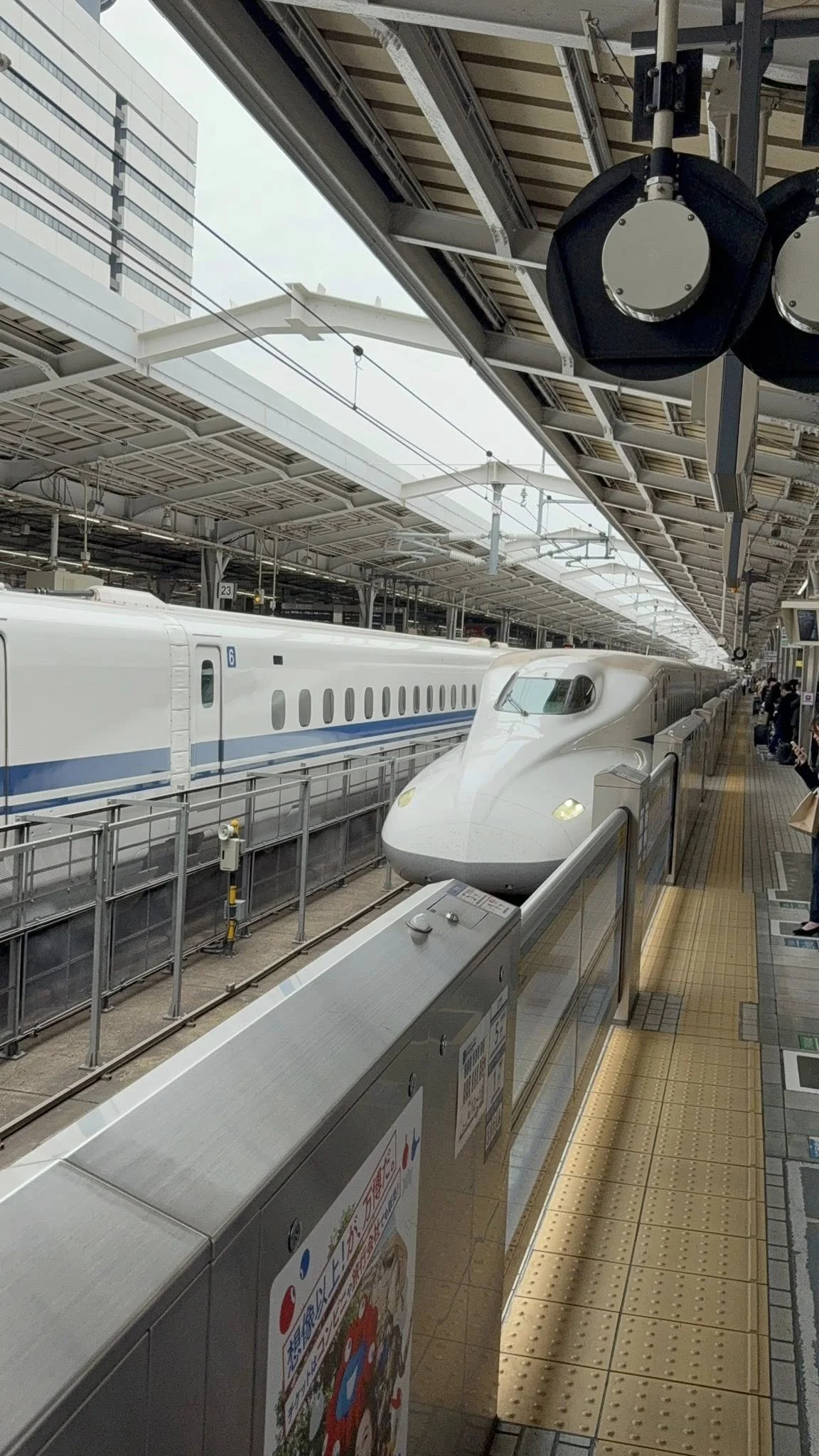
We took the Nozomi class train the second fast Shinkansen available. Also found out the nose shape is to minimize the sound booms in the tunnels.
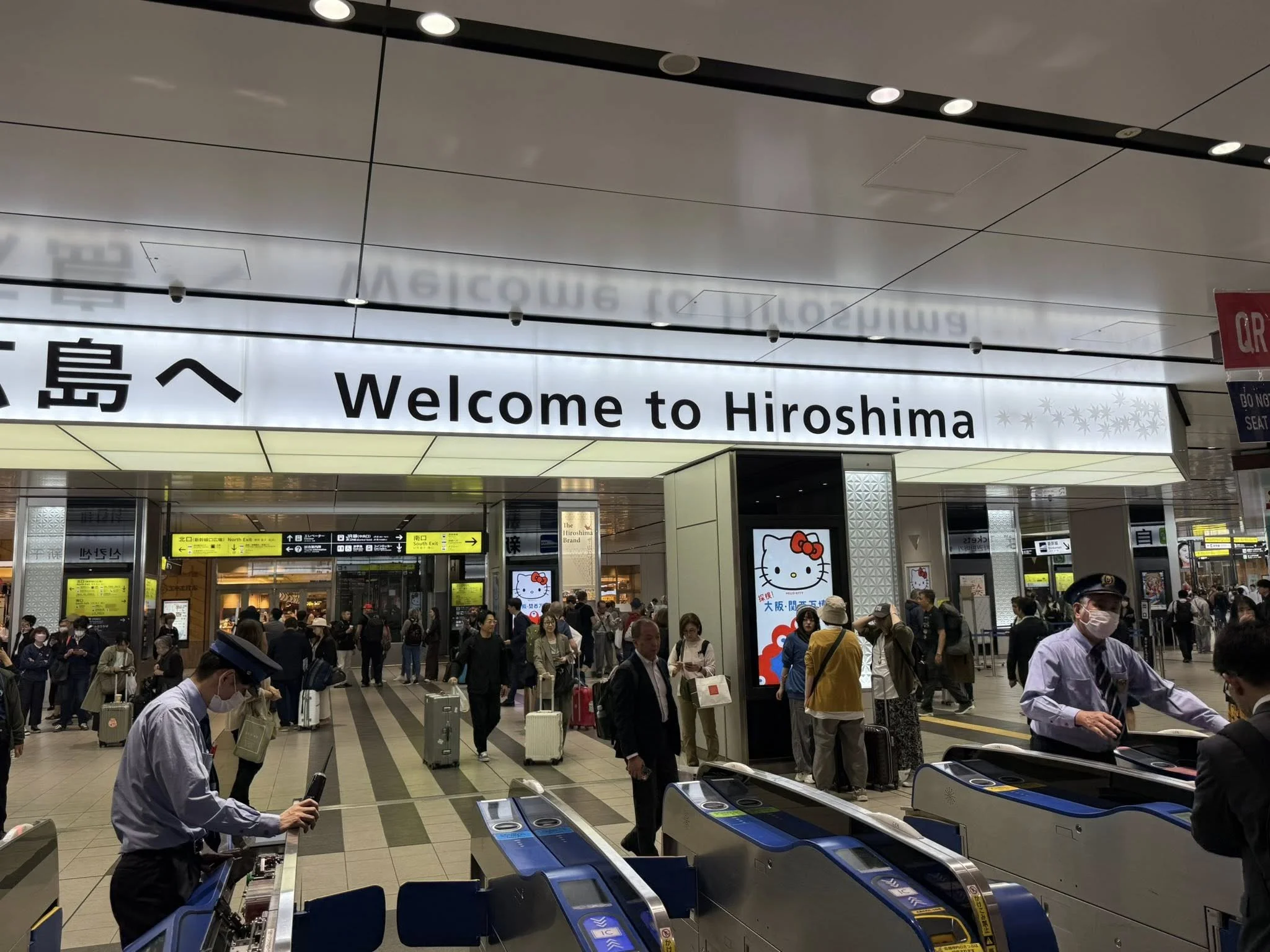
The more you know. As we all know from history class, the first atomic bomb used in war was dropped at 815am on August 6, 1945.
The infamous flying fortress, the Enola Gay, dropped Little Boy (the bombs nickname). It instantly killed 90,000 and vaporized close to 80% of the City. Children, men, women, young, old, civilian and military. It didn’t discriminate.
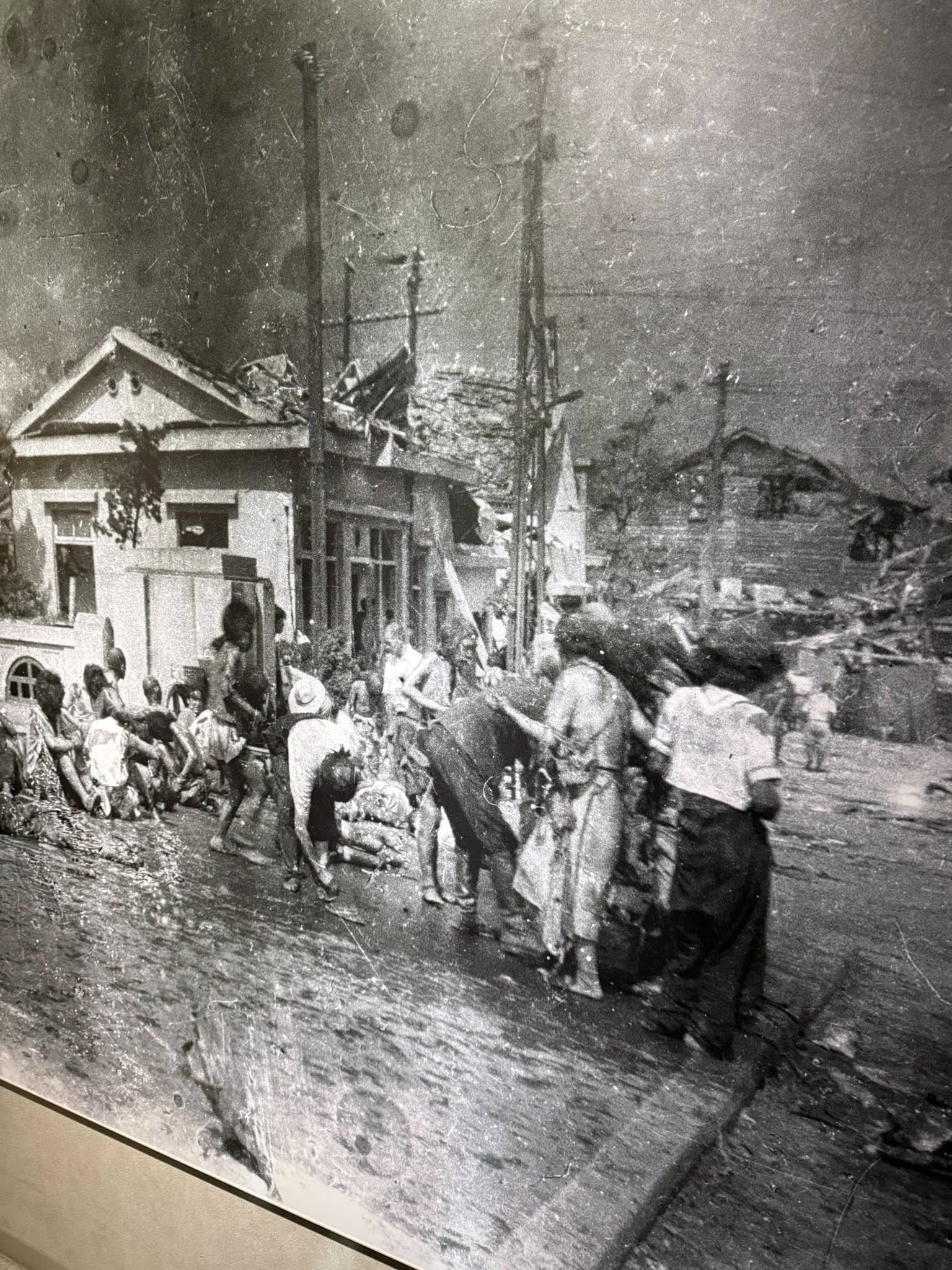
Houses, shops, warehouses, offices, hospitals, schools, parks, and army bases. Everything gone. They said at detonation, the surface temperature at ground zero was 4,000 Celsius.
About as hot as the sun. Another hundred thousand were dead by the end of the year. And countless thousands more in the year Ms that followed due to radiation sickness, cancer, and other abnormalities that developed. Generations were lost.
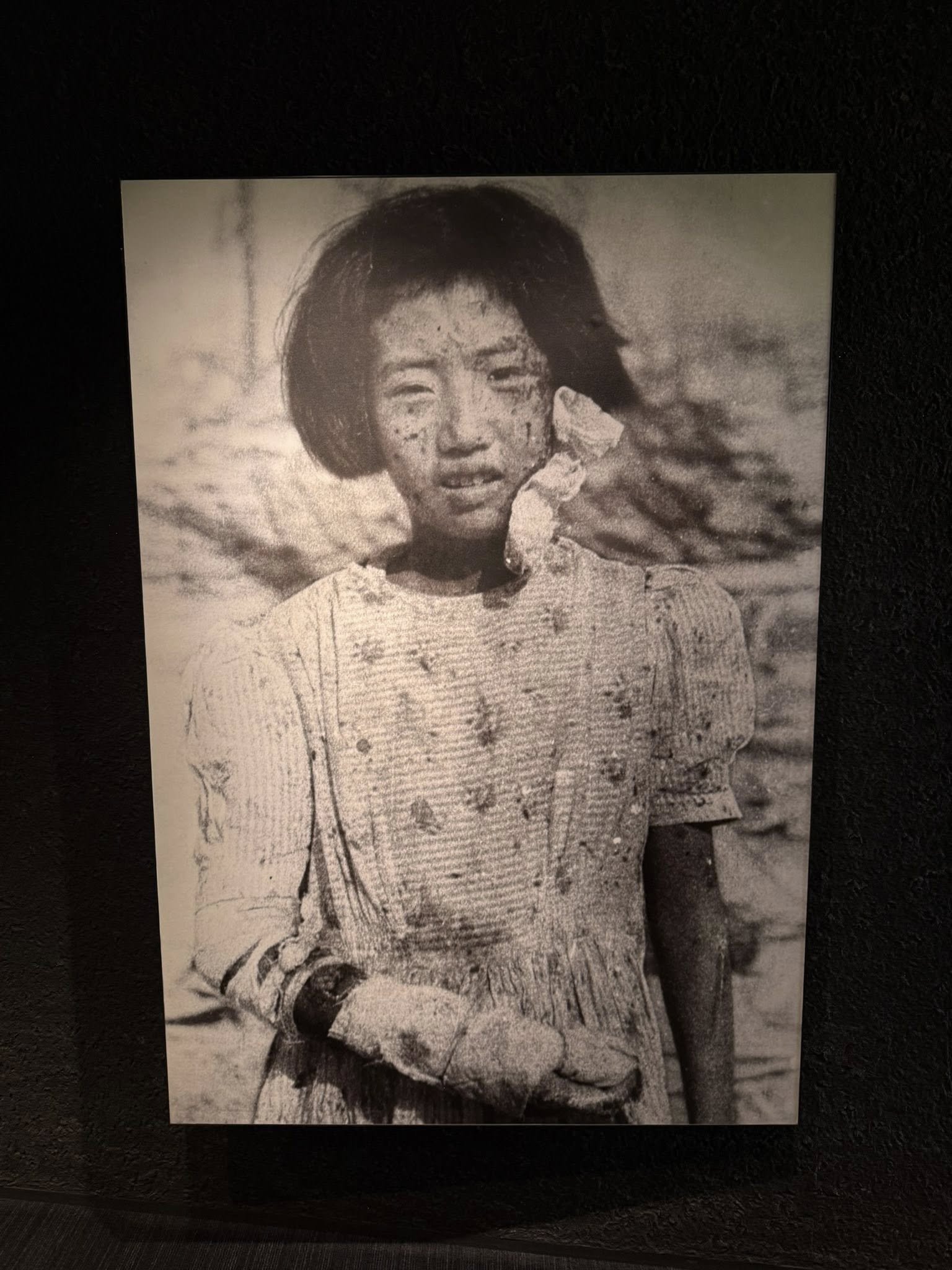
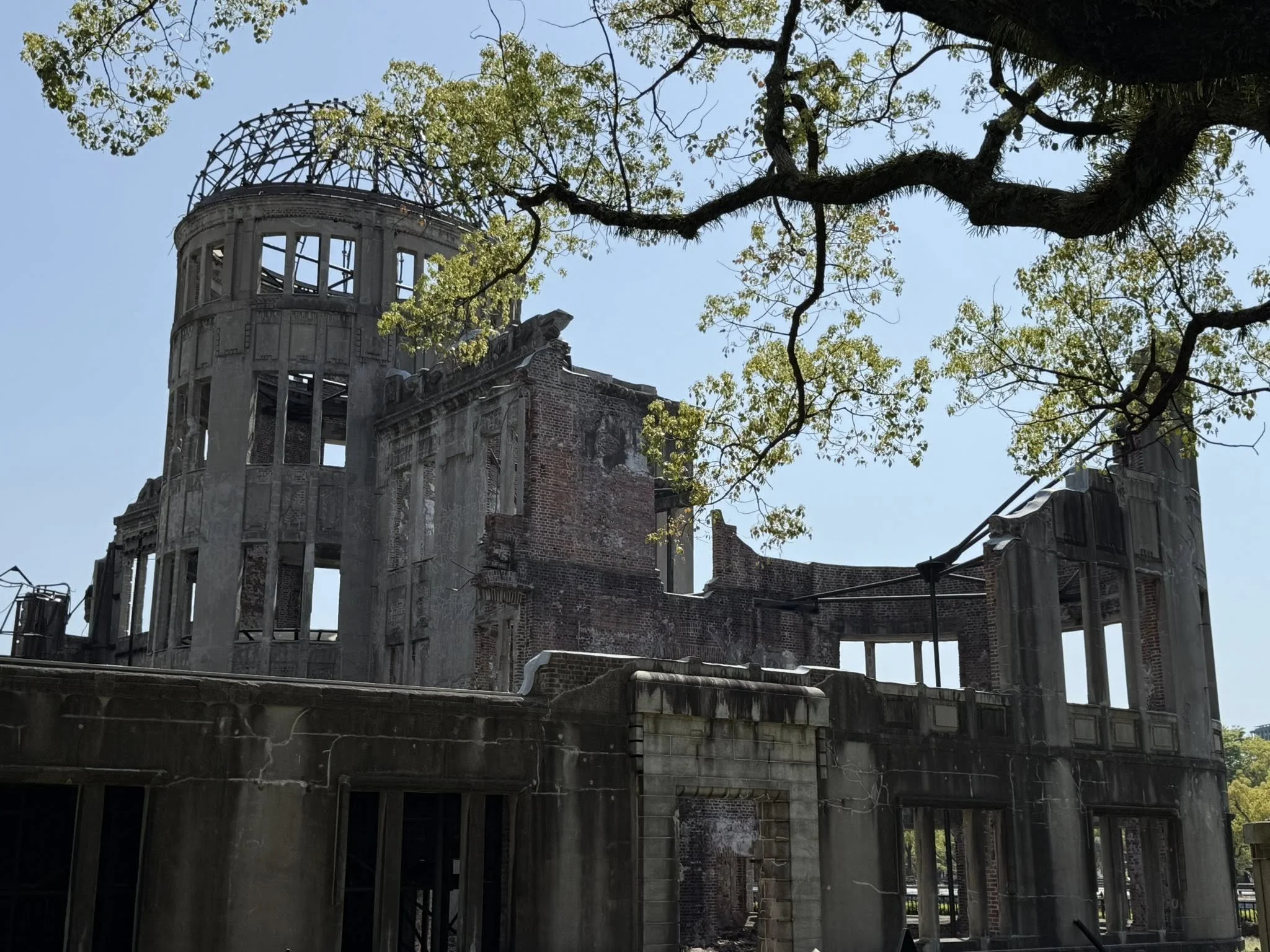
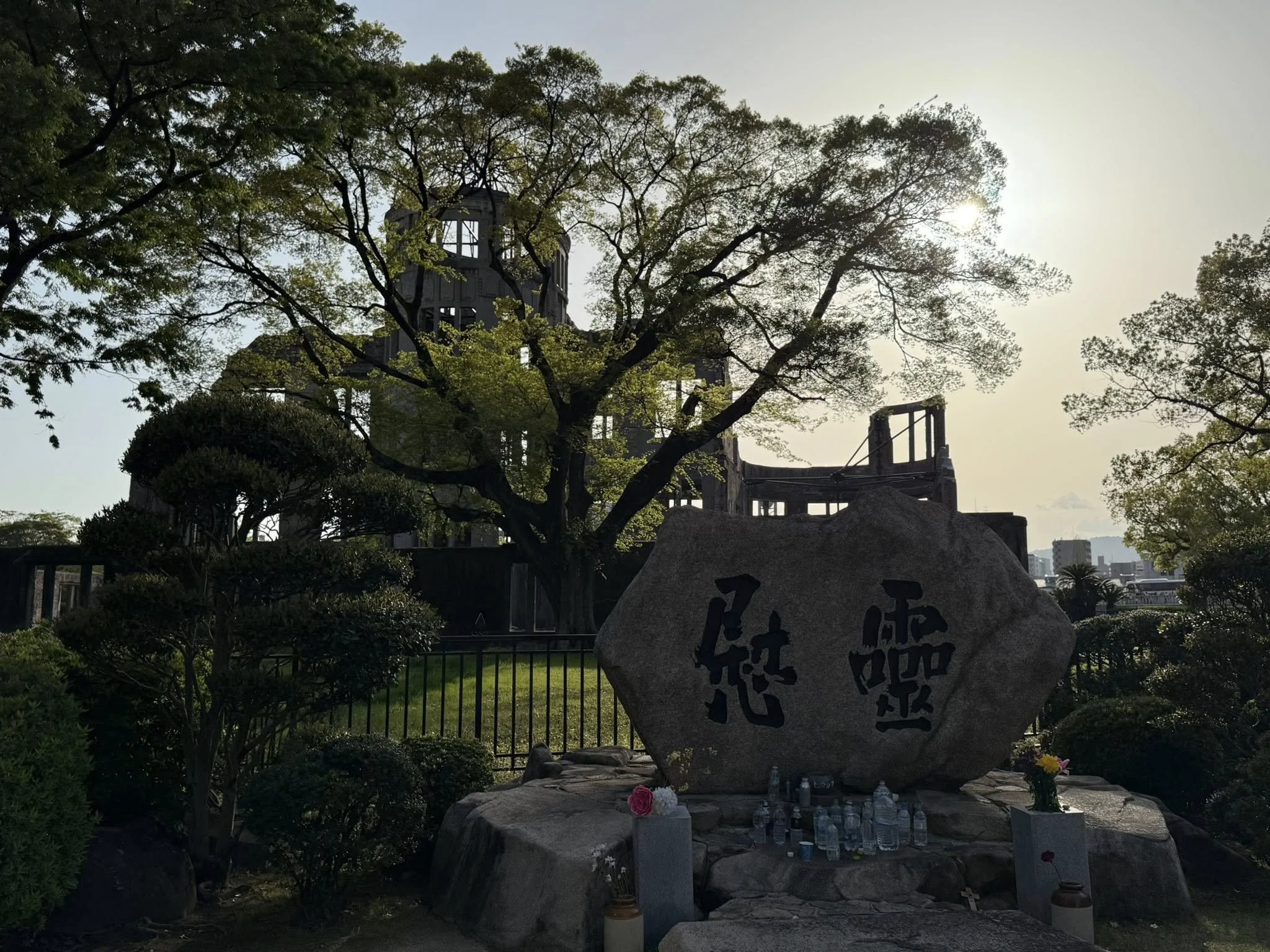
But did it also save lives?This isn’t meant as a debate on whether the bomb should have been used or not. And that’s the approach the museum takes. It’s the immediate and long term impact on the people and the city. The recovery. The resiliency of its people to rebuild. Like a phoenix rising out of the ashes. It was definitely a somber experience seeing the Atomic Bomb dome ruins sitting on the waterfront.
The park also has memorials to schoolchildren, ashes from those who were never identified, the peace memorial and its eternal flame, and a marker showing ground zero.
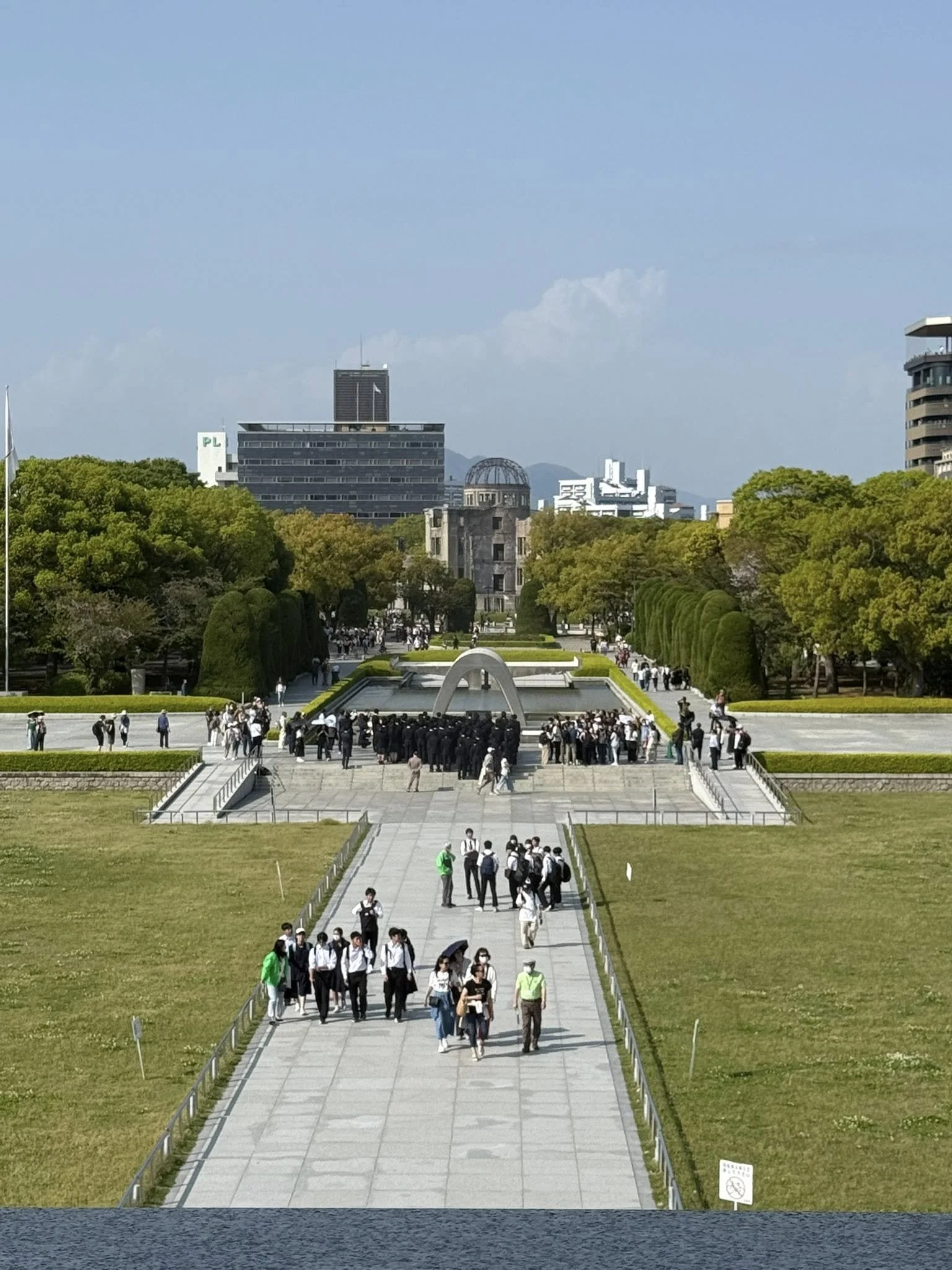
The museum itself has artifacts from those who perished, stories from survivors, and relics from the city’s past. Very few dry eyes from people from all around the world walking in silence. Hiroshima is an example to humanity though. Even at its worst by being victim to the worst bombing in history, the city is thriving again. People are moving here, working, living. The City exudes peace in every way and shape, pushing for an a-bomb to never be used again.
During our walk in the park and riverfront, we came upon the statue of Sadako Sasaki. She was only 2 when the bomb dropped, and survived for another ten years, becoming one of the most widely known hibakusha—a Japanese term meaning "bomb-affected person".
When she was 11, she started developing symptoms, first leukemia , the cancer in her throat, lings and skin. Her family didn’t have money to pay for any treatment, so she was sent to a hospital to help with the pain. She had heard a story that if you fold 1,000 cranes (origami) a wish will be granted.
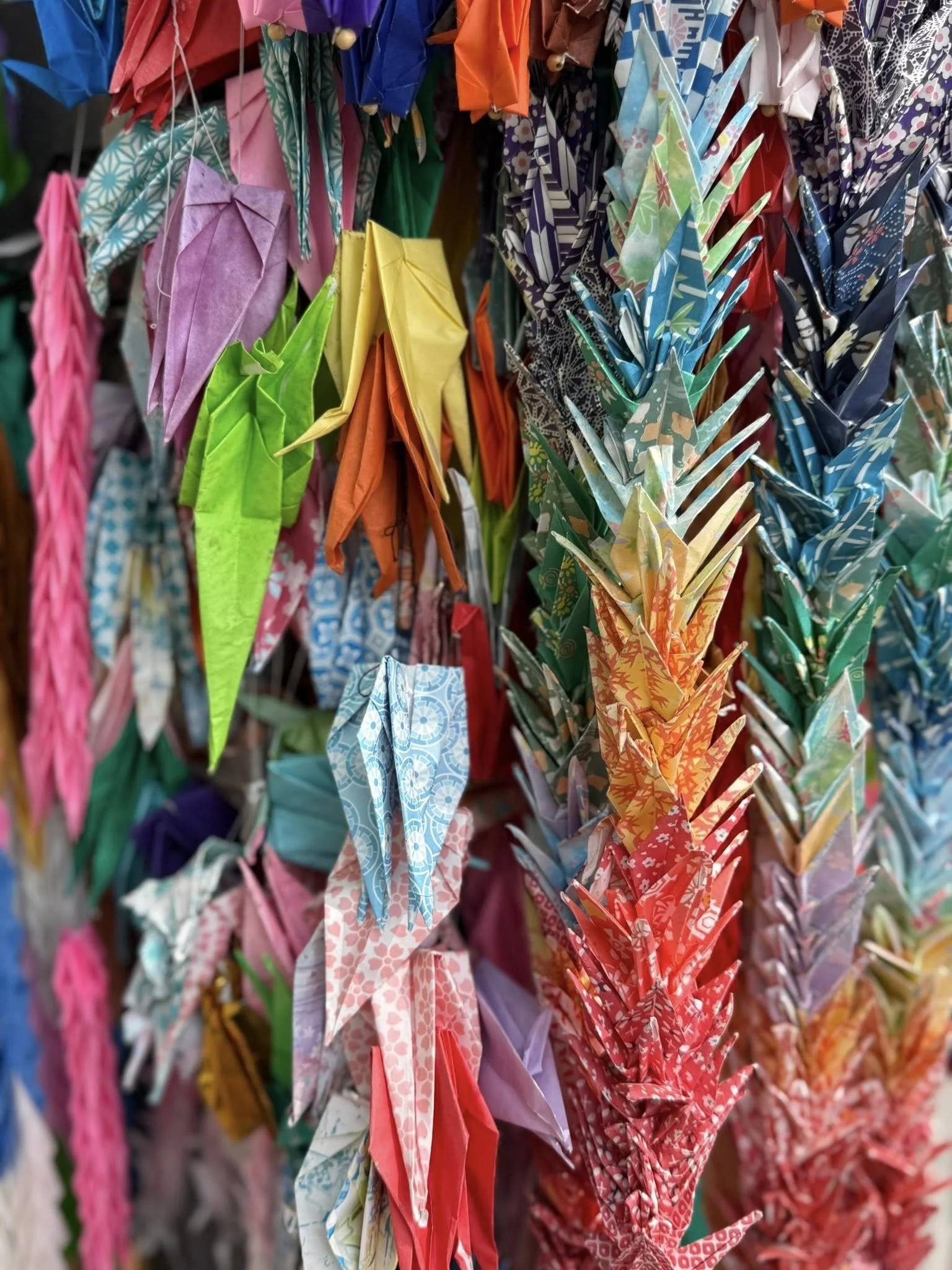
She did 1,000 the first month, but no miracle. She died at age 12. People leave cranes at her statue. The last thing you see at the memorials, are bottles of water. After the bomb exploded, and the fires were raging, survivors who could ran to the river to drink water, trying to cool their insides from the deadly radiation not knowing that made it worse. For those who couldn’t move, cries rang out of “water please, i’m thirsty”.
On the train ride back to Osaka, Dan and talked about how this was different than the killing fields in Cambodia, or the agent orange chemicals used in Vietnam. While all examples of war, the complete destruction of a city in an instant was chilling. A different form of brutality.
We were now back in Osaka, and needed some dinner. Ive been clamoring to go to a wagyu beef place. And we scored, getting in to one of the top 10 rated places in the city.
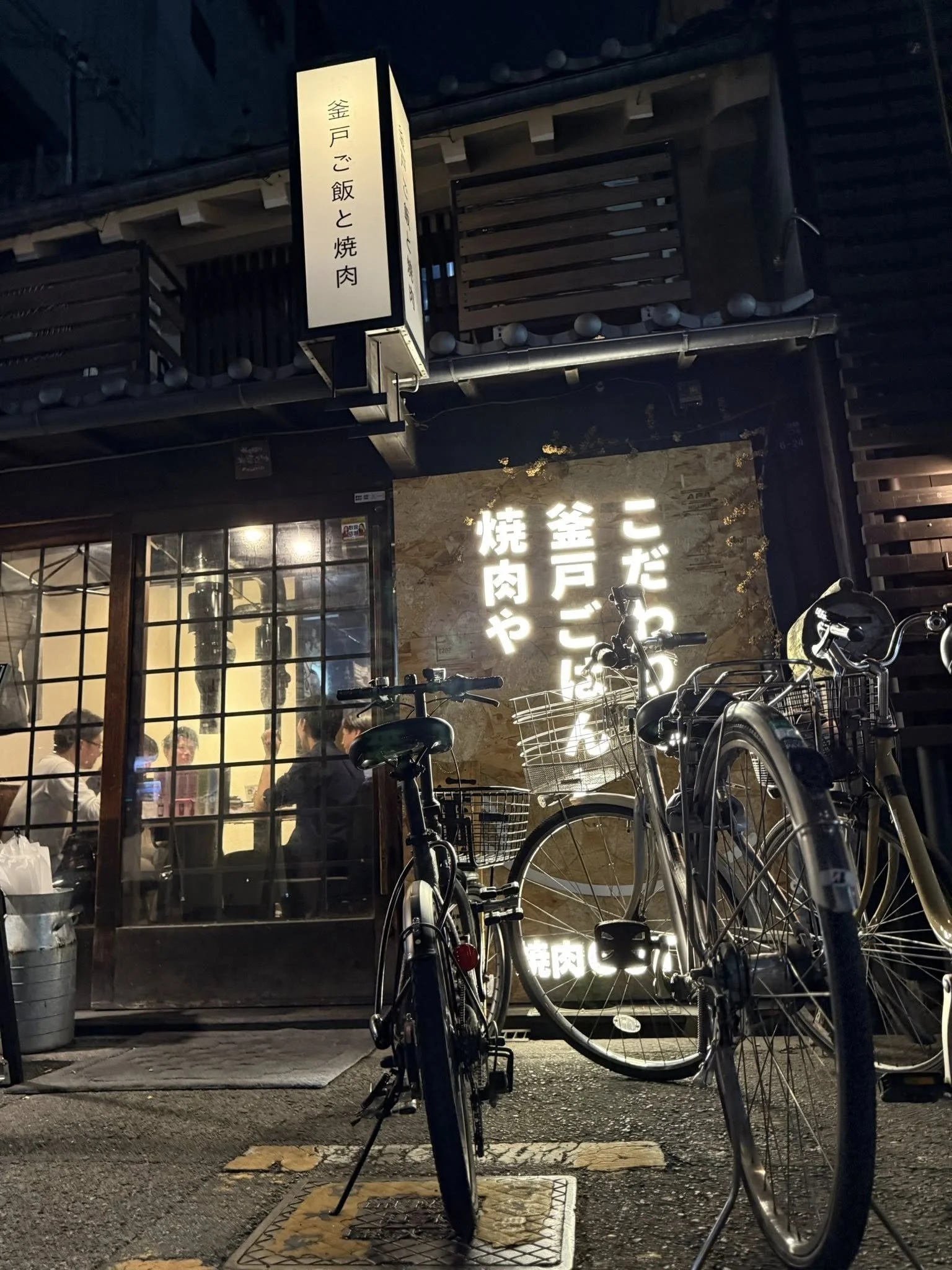
Yakiniku Hanare. It was located in one of the famous alleys, with the bedt staff ever. The cuts were generous. Dan cooked the meat to perfection.
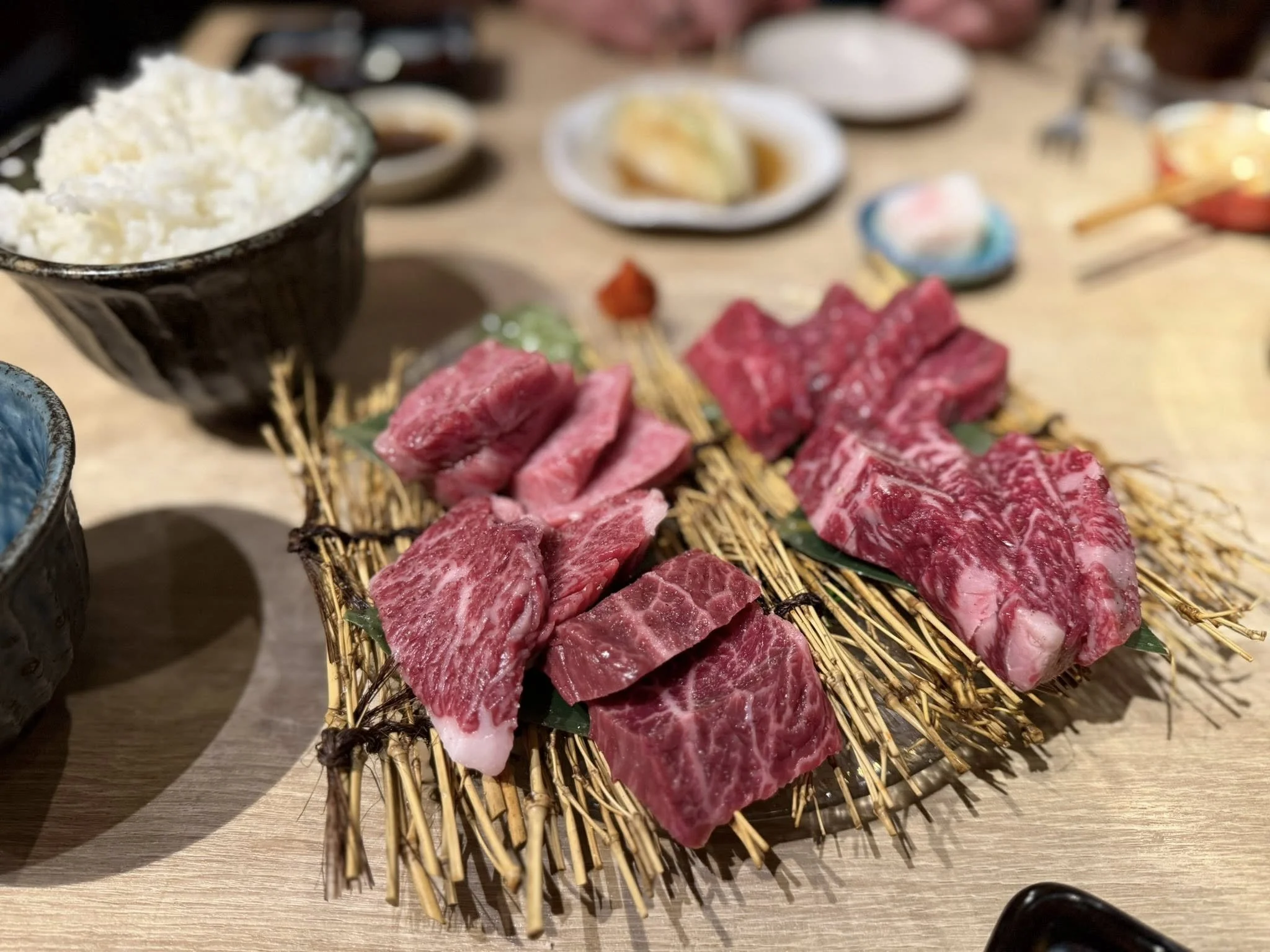
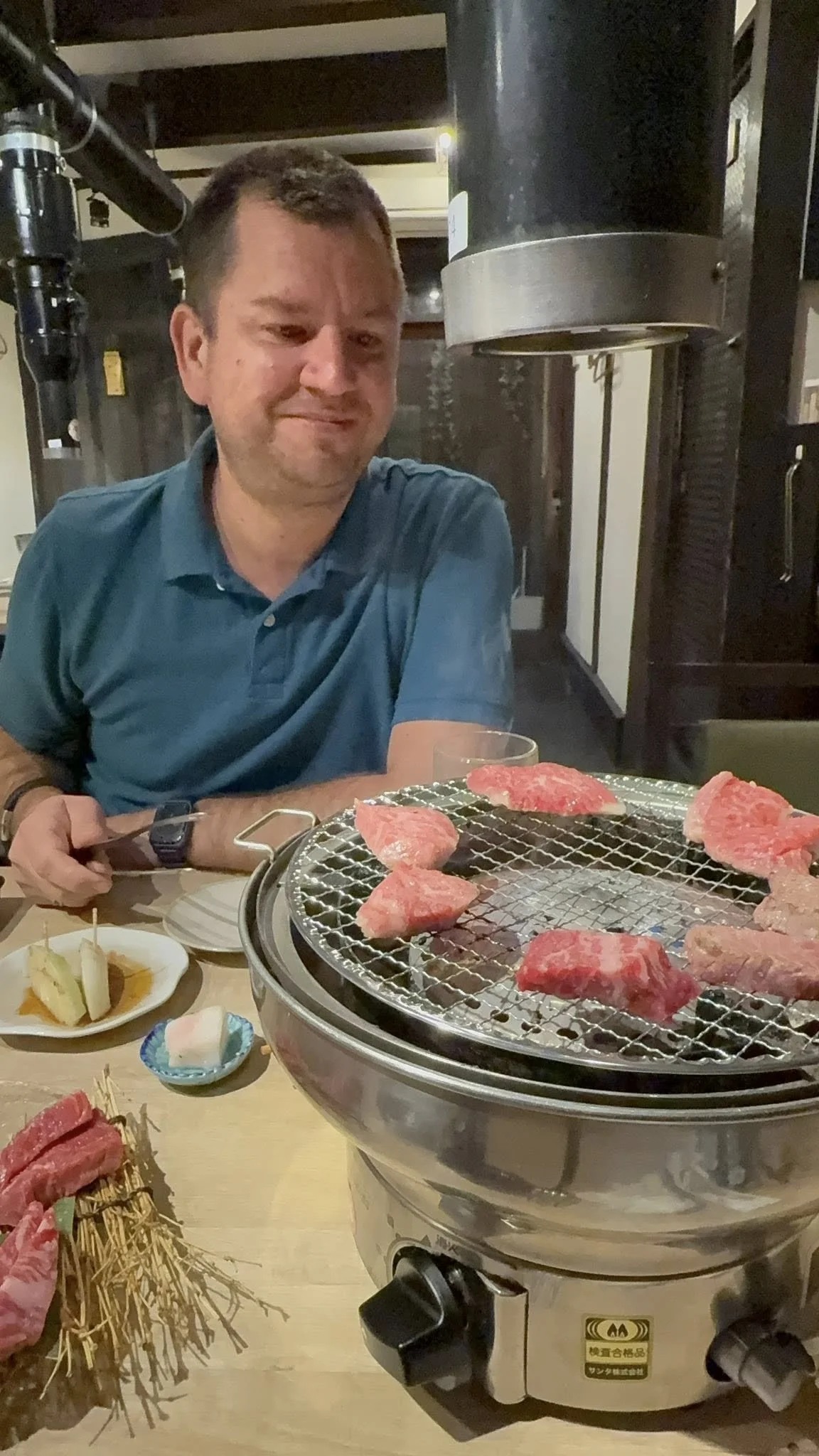
Satiated and perfection. Dan was exhausted, and decided to head back to the hotel to recoup for our next day. I decided to head down to the Dotonbori, a district in Osaka that comes alive at night.
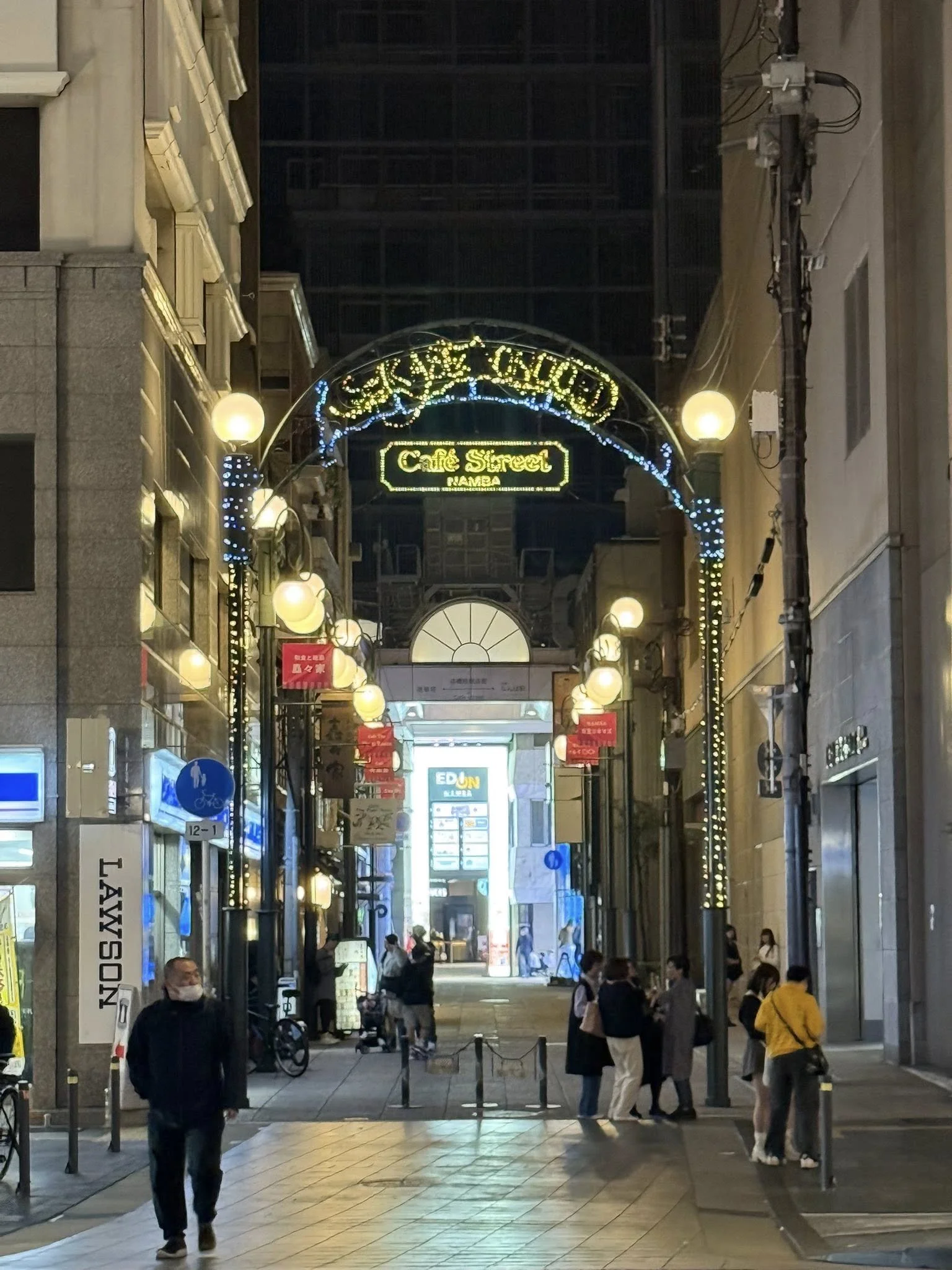
There’s a canal, food, karaoke, shopping, and a Ferris wheel. The unofficial mascot of Dotonbori is the Glico Man, a large neon sign featuring a man running on a blue race track positioned directly above the Dotonbori bridge. And with that, it was time for me to head back and rest. It’s been a long, mentally and emotionally draining day, but a day that ended with full stomachs and hope for the future. Final step count was 15,694 and 7.07 miles.
#atomicbombdome#hiroshima#DotonboriNights#osaka#japan #Asia2025
